Oxy3 at the autumn seminar of the Bavarian Plant Fire Brigade Association: Focus on PAH reduction and decontamination
At the invitation of the Bavarian Association of Plant Fire Brigades (WFV Bayern), Dr. Wolfgang Staber, Managing Director of Oxy3 Ozongeräte Produktion GmbH, presented the Oxy3 process for the decontamination of personal protective equipment and emergency vehicles on October 21, 2026.
PAH degradation and decontamination are the focus
The two-day autumn seminar of the Bavarian Fire Service Association (WFV Bayern) took place on October 20th and 21st, 2026 in Neuburg an der Donau. While the first day of the event was dedicated to preventive fire protection, the second day focused on the topics of "Operations and Technology".
Under the official lecture title “PAH degradation/odor removal with the Oxy3 process – PPE and emergency vehicles”, Dr. Wolfgang Staber presented the possibilities of the Oxy3 process for treating contaminated equipment and vehicle interiors.
The presentation generated considerable interest and led to numerous questions and further discussions. The many questions from the audience demonstrated the relevance, if not the critical importance, of the topic for the participants. Even outside of the presentation, intensive technical discussions arose regarding the technology and its potential applications in firefighting.
Our sales partner in Bavaria , Birnthaler Feuerwehrbedarf, was also present and provided information about the Oxy3 process at their own exhibition stand.
Decontamination as a core task of professional operational hygiene
The reasons why this topic is of particular importance for industrial and professional fire brigades become clear when looking at the health risks and the responsibilities of professional fire service organizations.
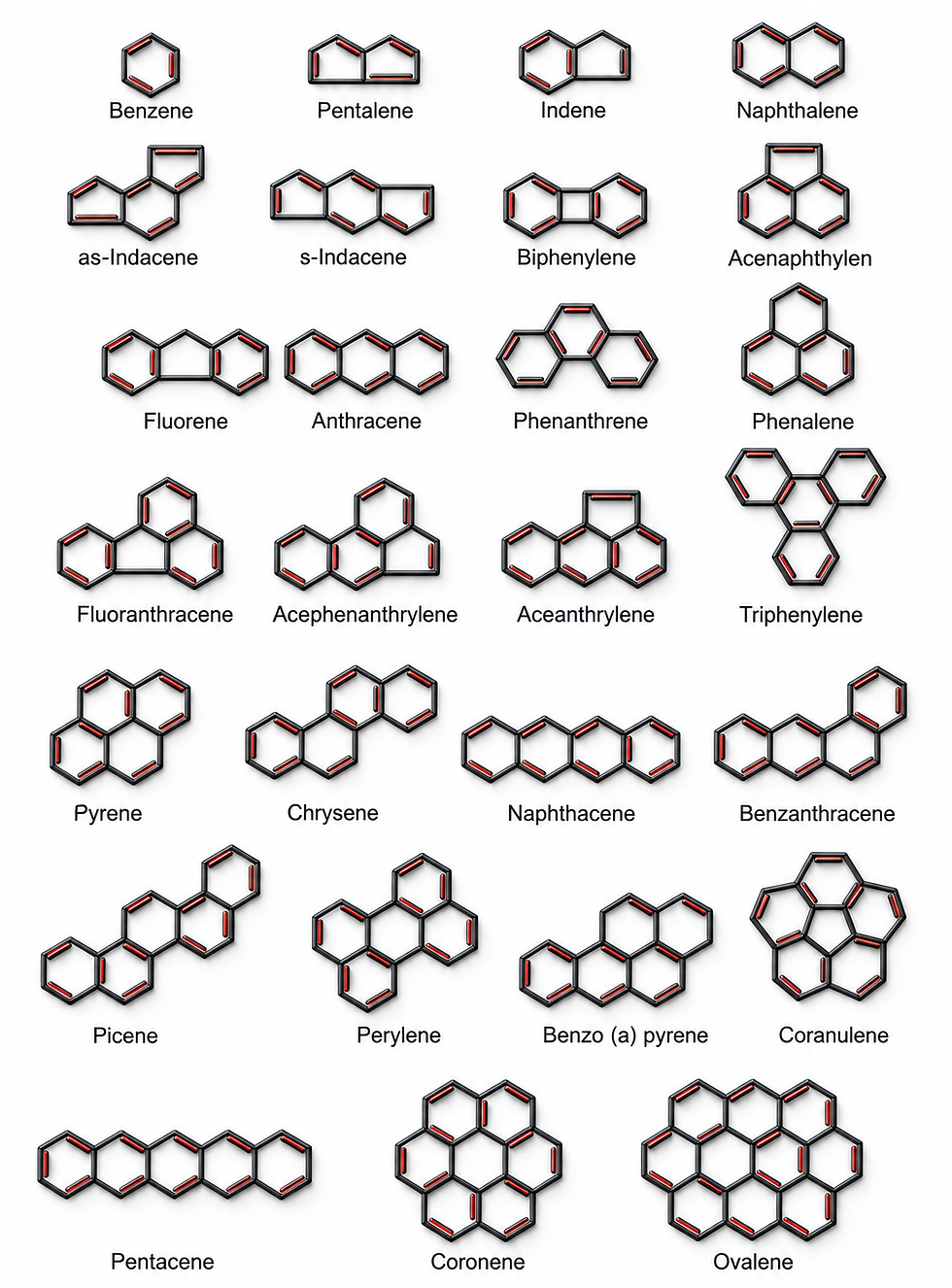
During firefighting operations, firefighters can be exposed to a variety of hazardous substances. These include polycyclic aromatic hydrocarbons (PAHs), some of which are classified as carcinogenic. Exposure to these pollutants is not limited to the immediate firefighting effort: residues can adhere to personal protective equipment and other equipment and be carried into vehicles or fire stations.
The International Agency for Research on Cancer (IARC) of the World Health Organization (WHO) classified occupational exposure as a firefighter as carcinogenic to humans (Group 1) in 2022. The German Social Accident Insurance (DGUV) also explicitly emphasizes the importance of consistent hygiene practices during operations and the prevention of cross-contamination.

Industrial and professional fire brigades have a special responsibility
As professional organizations, they are integrated into the company structures. Protecting their personnel is therefore also a concrete obligation under occupational health and safety law.
The Austrian Employee Protection Act (ASchG) and the German Occupational Safety and Health Act (ArbSchG) require employers within their respective scopes of application to assess risks arising from hazardous substances in the workplace and implement appropriate protective measures. This applies in particular to industrial and company fire brigades.While a specific decontamination technology is not mandated, the assessment of existing hazards and the implementation of appropriate protective measures are.
At the same time, industrial and professional fire brigades – unfortunately unlike many municipal administrations – have the technical, organizational and economic prerequisites to systematically test advanced operational hygiene procedures and integrate them into existing protection concepts.

Exemplary role for the entire fire service
The health risks posed by fire residues affect both professional and volunteer emergency responders. While many volunteer fire departments face comparable challenges under significantly more limited personnel and financial resources, professional fire service organizations can test new procedures, gather experience, and thus provide impetus for the further development of operational hygiene.
Against this backdrop, complementary decontamination processes are gaining in importance. The Oxy3 process utilizes the oxidative effect of ozone in combination with steam to treat pollutants and odors. It is designed, among other things, for the decontamination of suitable personal protective equipment, equipment, and vehicle interiors. Its application is part of a coordinated decontamination plan and does not replace the necessary pre-cleaning or other essential hygiene measures.
Professional exchange with valuable insights
The invitation to the WFV Bayern autumn seminar offered an excellent opportunity to discuss the topic of pollutant exposure and decontamination with experts from the industrial and professional fire service.
We would like to thank the Bavarian Plant Fire Brigade Association for the invitation, the participants for their great interest and numerous questions, and our sales partner Birnthaler for their presence on site.
Sources
Bavarian Association of Industrial Fire Brigades: Autumn Seminar 2026, Day Program “Operations and Technology”, October 21, 2026. Official Event Program (PDF)
International Agency for Research on Cancer (IARC), WHO: Occupational Exposure as a Firefighter , IARC Monographs, Volume 132, 2023. For publication
German Social Accident Insurance (DGUV): DGUV Information 205-035, Hygiene and Contamination Prevention in the Fire Service , May 2020 edition. [Link to publication]
Republic of Austria: Employee Protection Act (ASchG), in particular Sections 1, 4, 41 and 43. Federal Legal Information System (RIS)


Comments